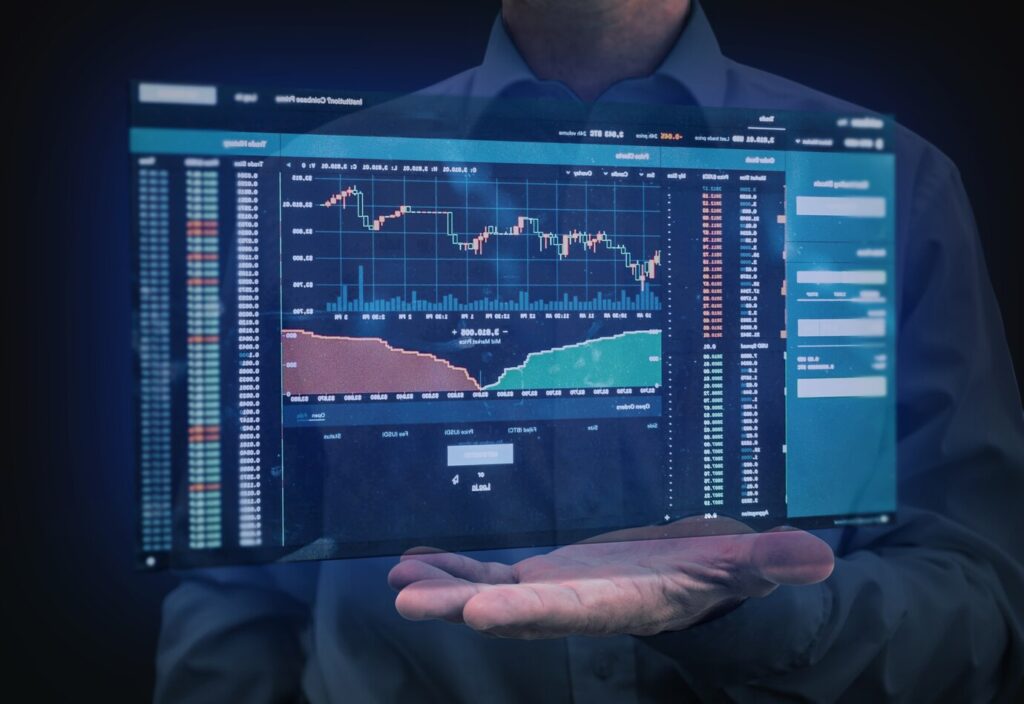
In the high-speed trading of forex it is not just about chance or intuition to succeed on a consistent basis but about having a discipline in risk management. Most traders pay much attention to the analysis of markets, technical indicators, and trading strategies, and despite the most organized trades, it is possible to suffer considerable losses without good risk management. Risk management is important to traders who are in the UAE where forex markets are competitive and dynamic. Taking a forex trading course in UAE may offer the necessary information and effective methods to protect capital and ensure a higher trading consistency.
Understanding the Importance of Risk Management in Forex Trading
Risk management in forex trading involves the techniques and procedures that traders put in place to reduce the amount of their potential losses and maximise their returns. The foreign exchange market is volatile as a matter of fact, and affected by the world economic factors, geopolitics, and central bank policies. Experienced traders can suffer dramatic losses even without proper risk management plan.
The right risk management will help in the fact that one losing trade will not mop off a large percentage of your trading capital. It entails rigorous preparation, setting of goals that are attainable and constant learning. In the case of both novice and experienced traders, risk management is a fundamental aspect of forex trading training UAE programs.
1. Develop a Comprehensive Trading Plan
An effective trading plan is your map to a successful trading. It gives your objectives on trading, risk tolerance, strategies, and performance evaluation criteria. Traders are not always guided by a plan; sometimes they are guided by emotions, and this may result in impulsive actions that may be prevented.
A solid trading plan should include:
- Entry and exit strategies based on technical and fundamental analysis
- Position sizing rules to manage risk per trade
- Stop-loss and take-profit levels to automate risk control
- Journaling and review to assess past trades and improve future decisions
Through a trading plan, you are able to exercise less influence on emotions and improve on how you can react strategically to changes in the market.
2. Determine Your Risk Tolerance
Each trader is comfortable with the level of risk to a different degree. It is very important to comprehend your personal risk tolerance in order to design a proper trading strategy. High volatility and large position can be carried out by some traders, whereas conservative trades and small exposure can be made by others.
Factors influencing risk tolerance include:
- Financial situation and disposable capital
- Emotional resilience and ability to handle losses
- Trading experience and confidence
The risk awareness of your risk taking allows you to decide how much you are going to invest in a stock, the amount of leverage you will use, and the frequency of your trades. Numerous forex trading course in UAE offer teachings on the risk tolerance assessment, meaning that your trading strategy should stay consistent with your personal and financial abilities.
3. Use Stop-Loss and Take-Profit Orders
Take-profit and stop-loss orders are very important in risk management. They enable you to set your maximum loss and profit goals and how you want to behave once you are in, which automates the exit strategy.
- Stop-Loss Orders: Limit potential losses by automatically closing a trade when the market moves against you.
- Take-Profit Orders: Lock in profits by closing a trade when it reaches a favorable level.
These orders minimize the emotional decision making process, and make sure your trades are guided by your risk management plan. Their constant application is a characteristic of disciplined trading and one subject of forex trading lessons UAE
4. Implement Proper Position Sizing
Position sizing is that which defines the capital invested in one trade. The misplacement of position is one of the most typical reasons why traders fail. Excessive exposure to one line of trade may result in huge losses, whereas under exposure may lead to loss of opportunities.
To calculate proper position size:
- Determine the percentage of your capital you are willing to risk per trade (commonly 1-2%).
- Assess the distance between your entry point and stop-loss level.
- Adjust the trade size to ensure your potential loss aligns with your risk tolerance.
This would save your account against disastrous losses and is a fundamental component learned in forex education UAE programs.
5. Leverage with Caution
Leverage gives traders the flexibility to trade bigger positions using a small capital base and increases the potential gains and the potential losses. Although leverage is an effective tool to use, too much of it can be dangerous.
Best practices for using leverage include:
- Limiting leverage based on your risk tolerance
- Avoiding using maximum leverage for every trade
- Understanding the impact of market volatility on leveraged positions
The prudent application of leverage as an aspect of a disciplined risk management strategy is a good focus of many forex trading training UAE programs.
6. Diversify Your Trades
Diversification does not only apply when investing in the long term, it is also essential when dealing with risk in forex trading. With diverse trades and trades in more than one currency pair, and trade strategy, you lessen the effects of one trade which goes bad.
Tips for diversification include:
- Avoiding overconcentration in a single currency pair
- Combining technical and fundamental trading strategies
- Trading across different timeframes
Diversification is good in ensuring that performance is stable even in the volatile markets. The forex learning programs UAE usually educate traders on the effect of diversification.
7. Stay Informed with Market News
Forex markets are very volatile to news and release of economic data. Currency prices can be affected greatly by factors such as interest rate changes, inflation reports, political instability and trade agreements.
To manage risk effectively:
- Follow credible financial news sources
- Monitor economic calendars for key data releases
- Adjust your trading strategies based on market developments
Informed traders are able to foresee the movement in the market and minimize the exposure to unforeseen volatility. This is one of the skills that are highlighted during most forex trading lessons UAE.
8. Maintain Emotional Discipline
One of the greatest adversaries of a steady trading accomplishment is emotions. Due to fear, greed and overconfidence, impulsive decisions and heavy losses are possible.
Strategies to maintain emotional discipline include:
- Following your trading plan strictly
- Taking breaks after consecutive losses or gains
- Practicing mindfulness and stress management techniques
Emotional control involves having control over your emotions so that your trading choices are based on reason and are risk averse.
9. Keep a Trading Journal
A trading journal is a great resource in checking on your performance and making it better. Documenting all the trades will assist you in recognizing trends, strengths and weaknesses and improving upon them.
Include the following in your trading journal:
- Entry and exit points
- Position size and risk percentage
- Reason for taking the trade
- Outcome and lessons learned
Analysis of your journal regularly will enable you to continue improving which is the clue to long-term success.
10. Continuous Education and Learning
The forex market is continuously changing. Market behavior can change due to economic trends, geopolitical events and technological progress. Life long learning means that you are flexible and up to date.
Consider enrolling in structured programs like:
- Forex trading course in UAE for beginners and advanced traders
- Forex trading training UAE that focuses on risk management and strategy development
- Specialized programs covering technical analysis, trading psychology, and market fundamentals
There is also the option of participating in the webinars, reading financial news and becoming a member of trading communities which can give insight and solidify learning.
11. Avoid Overtrading
Overtrading occurs when traders take too many positions or trade excessively without proper strategy. This often leads to emotional exhaustion and increased exposure to risk.
To prevent overtrading:
- Stick to your trading plan
- Limit the number of trades per day or week
- Ensure each trade meets your risk-reward criteria
Discipline in trade selection preserves capital and ensures quality over quantity, a principle stressed in forex education UAE.
12. Set Realistic Expectations
Forex trading is not a get-rich-quick scheme. Setting unrealistic profit expectations can lead to aggressive trades and unnecessary risks.
A more sustainable approach includes:
- Aiming for consistent, small gains rather than huge profits
- Accepting losses as part of trading
- Focusing on long-term growth rather than short-term wins
Understanding this mindset is a major component of forex trading training UAE, helping traders develop patience and resilience.
13. Leverage Technology for Risk Management
Modern trading platforms offer tools to assist in managing risk effectively, such as:
- Automated alerts for price movements
- Risk calculators for position sizing
- Charting tools to monitor trends and volatility
By leveraging technology, traders can make informed decisions and reduce the impact of human error.
Conclusion
Consistent success in forex trading is a result of disciplined risk management, ongoing education, and emotional control. For traders in the UAE, combining these practices with structured learning programs such as a forex trading course in UAE or forex trading training UAE can provide the knowledge and tools required to manage risk effectively.
By developing a comprehensive trading plan, understanding personal risk tolerance, using stop-loss and take-profit orders, practicing proper position sizing, and staying informed, traders can protect their capital and achieve consistent results.
Moreover, diversification, constant learning and emotional discipline are the key elements that will help you to cope with the waves of the forex market. By enrolling in professional courses such as forex trading training UAE and investigating forex learning programs UAE to gain further knowledge, you can streamline your path as becoming a disciplined and profitable forex trader.
Forex trading is a long distance affair not a short one. Through good risk management, setting realistic expectations and constant learning, it is not only possible to be a consistent success in forex trading but also sustainable.

Why Enroll in a Forex Trading Course in UAE
Tags: Forex Training UAE, Learn Forex Trading UAE, Online Forex Course UAE, Professional Forex Course UAE, Forex Trading Classes UAE, Beginner Forex Course UAE, Advanced Forex Trading UAE, Forex Education UAE, Currency Trading Course UAE